



If you’re experiencing back or neck pain, numbness, or weakness in your arms or legs, your doctor might mention spinal decompression or spinal fusion surgery. Both procedures aim to relieve pain and improve function, but they’re very different. Understanding the differences can help you feel more confident in discussing your options and deciding on the right spine surgery for you in New York.
What Is Spinal Decompression Surgery?
Spinal decompression surgery is designed to relieve pressure on the spinal nerves caused by conditions like herniated discs, spinal stenosis, or bone spurs. Common types include:
- Laminectomy: Removal of a portion of the vertebra called the lamina to create more space for the nerves
- Microdiscectomy: Removal of part of a herniated disc pressing on a nerve
- Laminoplasty: Reconstruction of the vertebra to widen the spinal canal, often used in the cervical spine
The main goal is to reduce nerve compression, which can relieve pain, numbness, tingling, and weakness.
Who Is a Good Candidate?
Spinal decompression may be recommended if you have:
- Pain radiating into your arms or legs
- Weakness or numbness from nerve compression
- Limited improvement with conservative treatments like physical therapy or medication
Recovery tends to be shorter than fusion surgery, with many patients returning to daily activities in a few weeks to a few months depending on the procedure.
What Is Spinal Fusion Surgery?
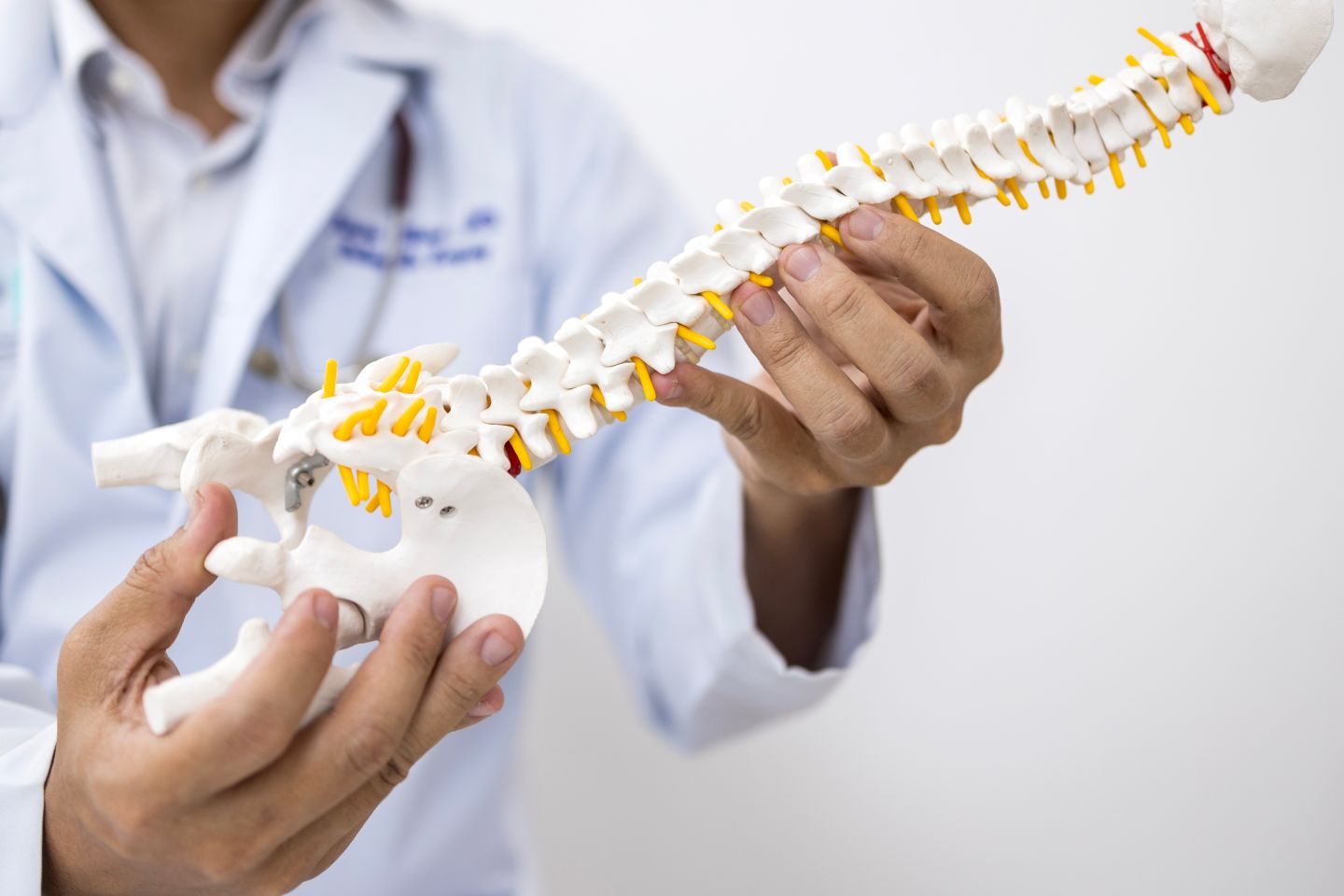
Spinal fusion surgery connects two or more vertebrae together using bone grafts, screws, or rods. This prevents movement between the affected bones, which can stabilize the spine and reduce pain caused by instability or severe degeneration.
Common types include:
- Posterior Lumbar Fusion (PLIF/TLIF): Stabilizes the lower back
- Anterior Cervical Discectomy and Fusion (ACDF): Stabilizes the neck
- Scoliosis Reconstruction: Corrects abnormal spinal curvature
Who Is a Good Candidate?
Fusion surgery may be recommended if you have:
- Severe spinal instability
- Degenerative disc disease or advanced arthritis
- Recurrent herniated discs or failed decompression procedures
Recovery takes longer than decompression alone, often several months, because the bone needs time to fuse properly.
How Do Doctors Decide?
The choice between spinal decompression vs spinal fusion depends on your specific diagnosis, symptoms, and imaging results. In some cases, a doctor may combine the procedures, for example, performing a decompression to relieve nerve pressure and then fusing the spine to stabilize it.
Key Takeaways
- Decompression surgery relieves nerve pressure and improves symptoms but doesn’t stabilize the spine
- Fusion surgery stabilizes the spine and can reduce pain from instability, but recovery is longer
- Your doctor will tailor recommendations based on your symptoms, imaging, and overall health
Schedule a Consultation at SpineCare of NY
If you’re struggling with back or neck pain and want to explore your surgical options, don’t wait to get answers. The team at SpineCare of NY specializes in both spinal decompression and spinal fusion procedures. We can help you understand which surgery, or combination of procedures, is best for your situation. Schedule a consultation today and take the first step toward a stronger, healthier spine in New York.

In The Media
SpineCare of NY has been highlighted in the media for our innovative spine care and outstanding results. Explore our features here.

Forms
Download all necessary patient forms to prepare for your SpineCare of NY appointment.


