



Artificial disc replacement surgery is a significant procedure, and having clear, realistic expectations about the recovery process helps patients plan with confidence. With this guide, we will walk you through the full disc replacement recovery timeline, from the day of surgery through long-term outcomes, and explain how the team at SpineCare of NY supports you at every stage.
Have questions about your recovery? Contact SpineCare of NY at (212) 606-1946 to discuss your specific situation.
Artificial Disc Replacement Recovery Timeline and What to Expect
Recovery from artificial disc replacement surgery follows a progressive timeline. Most patients move through several distinct phases, each with its own milestones and expectations. While individual recovery varies based on overall health, the level of the spine treated, and the extent of the procedure, the framework below reflects the experience of many patients who have undergone disc replacement surgery.
Day of Surgery/Immediately After Artificial Disc Replacement
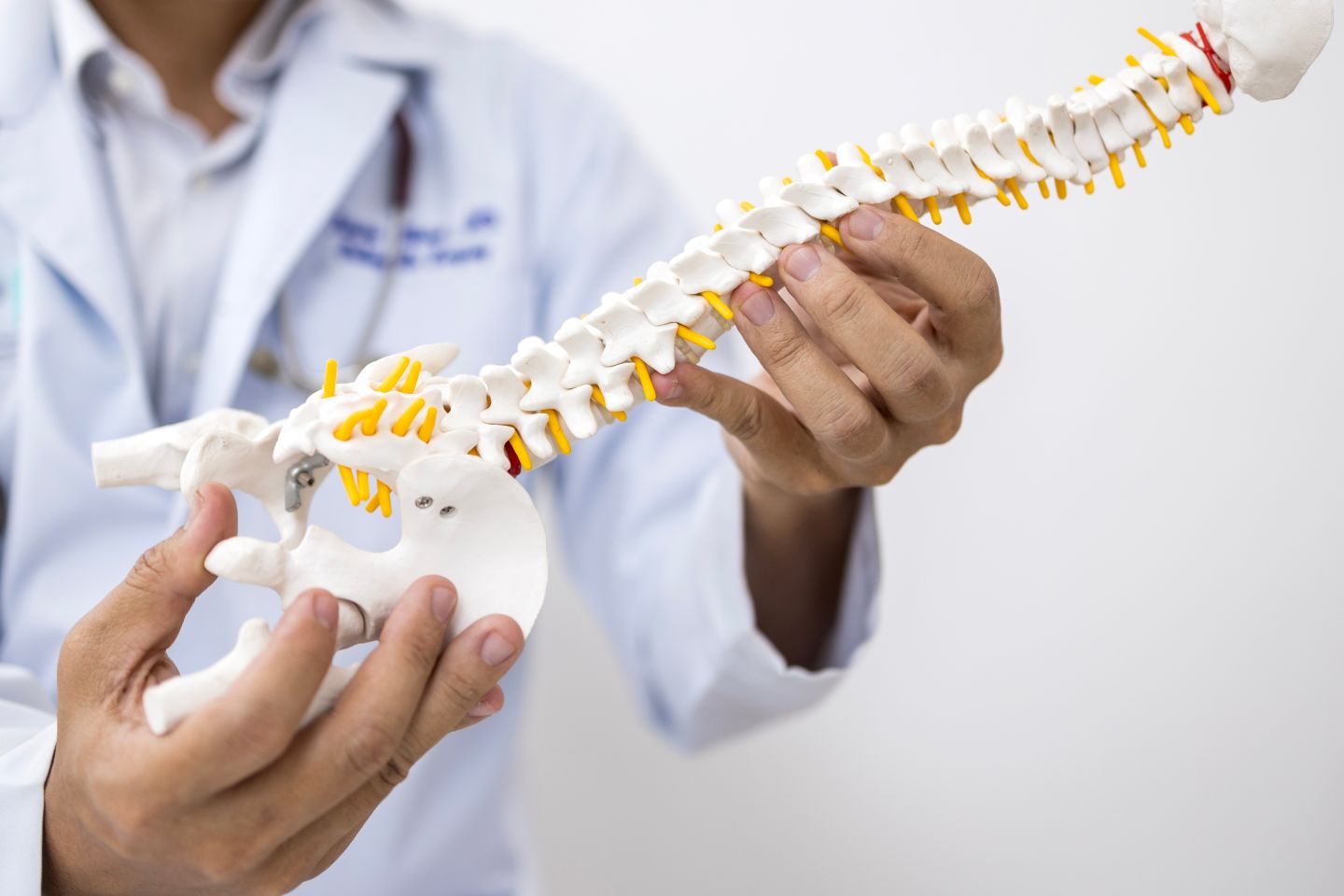
Artificial disc replacement is performed under general anesthesia, typically at a hospital or ambulatory surgery center. The procedure involves replacing the damaged disc with an artificial disc designed to restore motion in the spinal column. After the procedure is done, you will spend time in a monitored recovery area while anesthesia wears off and vital signs stabilize.
Most patients are able to stand and walk with assistance on the same day as surgery. For lumbar disc replacement, you may be discharged within one to two days. Cervical disc replacement patients are often discharged within 24 hours, provided recovery progresses as expected. You will need a responsible adult to accompany you home and remain with you during the first night.
Your medical team will review post-surgery instructions before discharge, including wound care, prescribed medications, and early activity guidelines. Following these instructions carefully supports proper healing from the outset.
First 48 to 72 Hours After Total Disc Replacement Surgery
During the first 24 to 48 hours, most patients experience moderate discomfort around the surgical site, along with some swelling and fatigue. This is a normal part of the healing process and can be effectively addressed through pain management as directed by your spine surgeon.
Most patients find that discomfort during this phase is manageable with the prescribed medications provided at discharge. Rest is also essential, though brief, gentle walking is typically encouraged to promote circulation and support the body’s healing. Avoid heavy lifting, bending, or twisting during this period.
Many patients undergoing lumbar disc surgery report that lying in a supported position and moving slowly when rising from bed reduces discomfort considerably during the first few days.
First Week of Early Disc Replacement Recovery
During the first week following disc replacement surgery, most patients notice a gradual reduction in pain levels and improved ability to move. Swelling around the surgical incision may continue, and some nerve irritation or mild nerve compression symptoms may persist as the nerve roots settle following decompression. This is generally expected and typically resolves with time.
Your first postoperative follow-up appointment is commonly scheduled within seven to ten days. At this visit, your provider will assess the surgical site, review healing progress, and address any concerns. Sutures or staples, if present, may be removed at this time.
Most patients recovering from lumbar disc replacement are able to resume light activities such as short walks and basic self-care. Heavy lifting and physical therapy exercises that place strain on the lumbar spine remain restricted during this phase.
Weeks Two Through Four and Progressing Through Recovery
Many patients experience significant improvements in comfort and mobility during weeks two through four. Pain medication needs typically decrease, and most patients find they can resume light activities with greater ease. Those with desk-based occupations may be able to return to work within two to four weeks, depending on their surgeon’s guidance and individual recovery.
Physical therapy often begins during this phase. A qualified physical therapist will design a program of physical therapy exercises intended to regain strength, restore motion, and support the lumbar spine or cervical spine as it continues healing. Attending these sessions consistently is a meaningful part of the recovery process.
Driving restrictions typically remain in place while you are taking prescription pain medication or if your range of motion remains limited. Your spine surgeon will advise when it is appropriate to resume driving. Most patients are asked to continue avoiding heavy lifting through this period.
Weeks Four Through Eight and Rebuilding Strength and Normal Activities
Between weeks four and eight, most patients see continued progress in their ability to resume normal activities. Many patients return to light exercise, such as walking and gentle stretching, under the guidance of their physical therapist. The body continues to heal internally even as outward recovery progresses.
Unlike spinal fusion, which immobilizes the treated spinal segment, artificial disc replacement is designed to restore motion at the disc level. As the artificial disc integrates and the surrounding tissues heal, many patients begin to appreciate the functional benefits of motion-preserving surgery during this phase.
Heavy lifting and high-impact activities remain restricted until your surgeon clears you. Your follow-up appointments during this period help ensure the disc replacement recovery is proceeding as expected and that physical therapy is appropriately advancing.
Three to Six Months/Full Recovery and Long-Term Outcomes
Full recovery from artificial disc replacement typically occurs between three and six months following surgery, though this varies based on individual factors. Most patients who follow their treatment plan, attend follow-up appointments, and participate in physical therapy report significant improvements in spinal health and quality of life by this stage.
By three to six months, the majority of patients have returned to their full range of normal activities, including more demanding physical pursuits. Chronic neck pain or lower back pain related to degenerative disc disease that prompted surgery is often substantially reduced.
Younger patients and those in good overall health often experience a faster recovery trajectory, though all patients benefit from adhering to their individualized recovery timeline. Your spine surgeon will advise on any longer-term activity considerations based on your specific procedure and outcomes.
Tips for a Smooth Disc Replacement Recovery
Preparation and consistency are among the most important factors in supporting a smooth recovery. The following guidance reflects the experience of caring for many patients through artificial disc replacement surgery.
Managing Pain During Recovery
Effective pain management in the post-surgery period begins before you leave the hospital or ambulatory surgery center. Your medical team will provide prescribed medications tailored to your needs, along with instructions for their appropriate use. Most patients transition from prescription pain medication to over-the-counter options within the first two to three weeks as pain levels decrease.
Applying ice to the surgical site in the early days, as directed by your provider, can help reduce swelling and support comfort. Do not apply ice directly to the skin, and always follow your provider’s specific recommendations regarding managing pain at home.
Activity and Lifestyle During Disc Replacement Recovery
Gentle walking is typically encouraged from the first day after surgery and should increase gradually over the weeks that follow. Avoid heavy lifting throughout the early recovery period. Most patients are advised to refrain from lifting more than a few pounds for the first four to six weeks, with gradual progression thereafter as directed by their surgeon.
Return to work timelines depend on the physical demands of your occupation. Desk-based work is often possible within two to four weeks. Physically demanding roles may require four to eight weeks or longer before return, depending on your progress and your surgeon’s assessment.
Patients who have undergone cervical disc replacement may be advised to wear a neck brace for a period following surgery to support the healing process and protect neck motion during recovery. Your provider will specify the appropriate duration based on your procedure.
Nutrition and Hydration to Support Healing
Adequate hydration and balanced nutrition contribute to the body’s ability to heal following surgery. Prioritizing protein-rich foods, vegetables, and sufficient fluid intake supports tissue repair and overall spinal health. Avoiding alcohol, particularly during the period when prescribed medications are being taken, is strongly advised.
If you have specific dietary concerns or conditions that may affect healing, discuss these with your medical team prior to surgery and during recovery.
Caring for the Surgical Site
Keep the surgical incision clean and dry as directed by your provider. Avoid submerging the surgical site in water, including baths, pools, or hot tubs, until your surgeon confirms the wound has healed adequately. Shower instructions will be provided at discharge.
Monitor the incision daily for signs of changes in appearance. Your post-surgery instructions will specify what changes to report and when. Do not apply lotions, ointments, or adhesives to the incision unless your provider advises you to do so.
Follow-Up Appointments After Artificial Disc Replacement
Attending all scheduled follow-up appointments is a critical component of disc replacement recovery. These visits allow your spine surgeon to monitor healing, assess the position and function of the artificial disc, and adjust your treatment plan as needed. Imaging may be performed at specific intervals to confirm proper healing of the lumbar spine or cervical spine.
Do not skip or delay follow-up appointments, even if you feel your recovery is progressing well. Many important aspects of the healing process are not visible externally and require professional assessment to evaluate properly.
Frank P. Cammisa Jr., MD, F.A.C.S., Andrew A. Sama, MD, Alexander P. Hughes, MD, and our team provide detailed aftercare instructions tailored to your specific treatment plan.
What Is Normal During Disc Replacement Recovery and When to Contact Us
Understanding the difference between expected recovery experiences and symptoms that warrant medical attention is an important part of feeling prepared throughout your recovery process.
Normal Recovery Experiences
It is entirely expected to experience moderate discomfort and swelling around the surgical incision during the first one to two weeks. Mild fatigue is common as the body heals following general anesthesia and surgery. Some patients notice mild nerve irritation, including brief tingling or sensitivity in the arms, hands, legs, or feet, as nerve roots recover from prior compression. This typically resolves gradually over weeks to months.
Stiffness, particularly in the lumbar region or around the neck following cervical disc replacement, is normal in the early recovery period and generally improves with guided physical therapy. It is also common to have days when you feel you have made less progress than the day before. Recovery does not always follow a straight line, and this variation is a normal part of the healing process.
When to Contact Our Office
While serious complications following artificial disc replacement are uncommon, it is important to contact our office promptly if you experience any of the following:
- Increasing redness, warmth, or discharge from the surgical site
- A sudden increase in pain that is not addressed by your prescribed medications
- Fever
- Unexpected swelling
- New or worsening weakness, numbness, or loss of sensation in your limbs
Any symptom that feels sudden, severe, or different from what your surgeon described should prompt you to reach out to our office or seek emergency care if necessary. We encourage patients never to hesitate when something does not feel right.
How Your Spine Surgeon Impacts Your Artificial Disc Replacement Recovery
The experience and precision of your surgical team have a direct bearing on your disc replacement recovery. Surgical technique influences the degree of tissue disruption, the duration of post-surgery discomfort, and the long-term function of the artificial disc. Meticulous operative planning and skilled execution contribute to smoother recoveries and more consistent outcomes.
Dr. Cammisa Jr., Dr. Sama, MD, and Dr. Hughes are orthopedic spine surgeons affiliated with the Hospital for Special Surgery, the number one-ranked orthopedic hospital in the nation. With more than 63 combined years of experience, they bring a depth of clinical knowledge that directly informs every aspect of patient care, including recovery planning. Dr. Hughes completed an international fellowship in spine surgery, and Dr. Cammisa holds the Bill and Barbara Weldon Endowed Chair in Spine Innovation at HSS.
Patients traveling to New York, NY from around the world choose SpineCare of NY for artificial disc replacement surgery because of the team’s internationally recognized expertise. The practice’s commitment to personalized, evidence-based care also extends well beyond the operating room, with structured follow-up care and individualized recovery guidance designed to support each patient’s return to full spinal health.
Frequently Asked Questions About Total Disc Replacement Recovery
Understanding recovery is an important step in planning your procedure. Call us at (212) 606-1946 or contact us online to schedule your consultation with our team at SpineCare of NY.
How long does total disc replacement recovery take?
Most patients achieve full recovery from artificial disc replacement surgery within three to six months. During the first four to six weeks, most patients progress from limited activity to resuming light daily tasks and guided physical therapy. The average recovery time to return to most normal activities is approximately six to eight weeks, with continued improvement in strength and spinal health extending through the first several months.
When can I return to work after artificial disc replacement surgery?
Most patients with desk-based occupations return to work within two to four weeks following artificial disc replacement surgery. Those in physically demanding roles typically require four to eight weeks or longer before returning, depending on their recovery progress and their surgeon’s clearance. Your spine surgeon will provide specific guidance based on your procedure and occupation.
When can I exercise after disc replacement surgery?
Gentle walking is encouraged from the first days following surgery and is an important part of the early recovery process. Most patients may begin a structured physical therapy program within two to four weeks, with gradual progression to more demanding exercise between four and eight weeks. Heavy lifting and high-impact activities are generally restricted for at least six to eight weeks. Your physical therapist and spine surgeon will guide your return to exercise based on your individual recovery timeline.
How long does swelling last after artificial disc replacement?
Swelling around the surgical site typically peaks within the first 48 to 72 hours and begins to reduce gradually over the following one to two weeks. Most patients notice meaningful improvement in external swelling within the first two weeks, though internal healing continues for months.
When will I see my final results from disc replacement surgery?
Many patients begin to experience significant improvements in pain and mobility within the first four to eight weeks following artificial disc replacement. Full recovery, including the complete resolution of nerve irritation and the return of optimal spinal health, typically occurs between three and six months.
How painful is disc replacement recovery?
Most patients report that disc replacement recovery involves manageable discomfort, particularly during the first one to two weeks. Pain management is addressed with a combination of prescribed medications in the early post-surgery period, transitioning to over-the-counter options as pain levels decrease.
Will I need someone to drive me home after artificial disc replacement surgery?
Yes. Because artificial disc replacement is performed under general anesthesia, you will require a responsible adult to drive you home from the hospital or ambulatory surgery center and remain with you during the first night. Driving restrictions remain in place while you are taking prescription pain medication or while your range of motion is limited. Your medical team will advise when it is appropriate for you to resume driving.
How should I prepare for disc replacement recovery at home?
Preparing your home before surgery helps support a smooth recovery. Arrange a comfortable, accessible sleeping area on the ground floor if possible, gather any required supplies such as ice packs and supportive pillows, and stock up on easy-to-prepare meals and adequate hydration options. Remove tripping hazards and ensure you have a support person available for at least the first few days following surgery. Your medical team will provide a complete list of recommended preparations during your pre-surgical consultation.
What should I avoid during disc replacement recovery?
During the recovery process, most patients are advised to avoid heavy lifting, bending, or twisting at the lumbar spine, driving while on prescription pain medication, submerging the surgical site in water before it has healed, and any activities that place significant strain on the affected disc level. Smoking and alcohol consumption can affect healing and are strongly discouraged during the recovery period.
Does artificial disc replacement preserve motion better than spinal fusion?
Artificial disc replacement is specifically designed to restore motion at the treated spinal segment, unlike spinal fusion, which stabilizes that segment by eliminating movement. For appropriate candidates, this motion-preserving approach may reduce the mechanical stress placed on adjacent disc levels over time. Whether artificial disc replacement or spinal fusion is the right procedure for your specific condition is a determination made in consultation with your spine surgeon based on a thorough evaluation of your imaging, symptoms, and spinal health goals.

In The Media
SpineCare of NY has been highlighted in the media for our innovative spine care and outstanding results. Explore our features here.

Forms
Download all necessary patient forms to prepare for your SpineCare of NY appointment.


